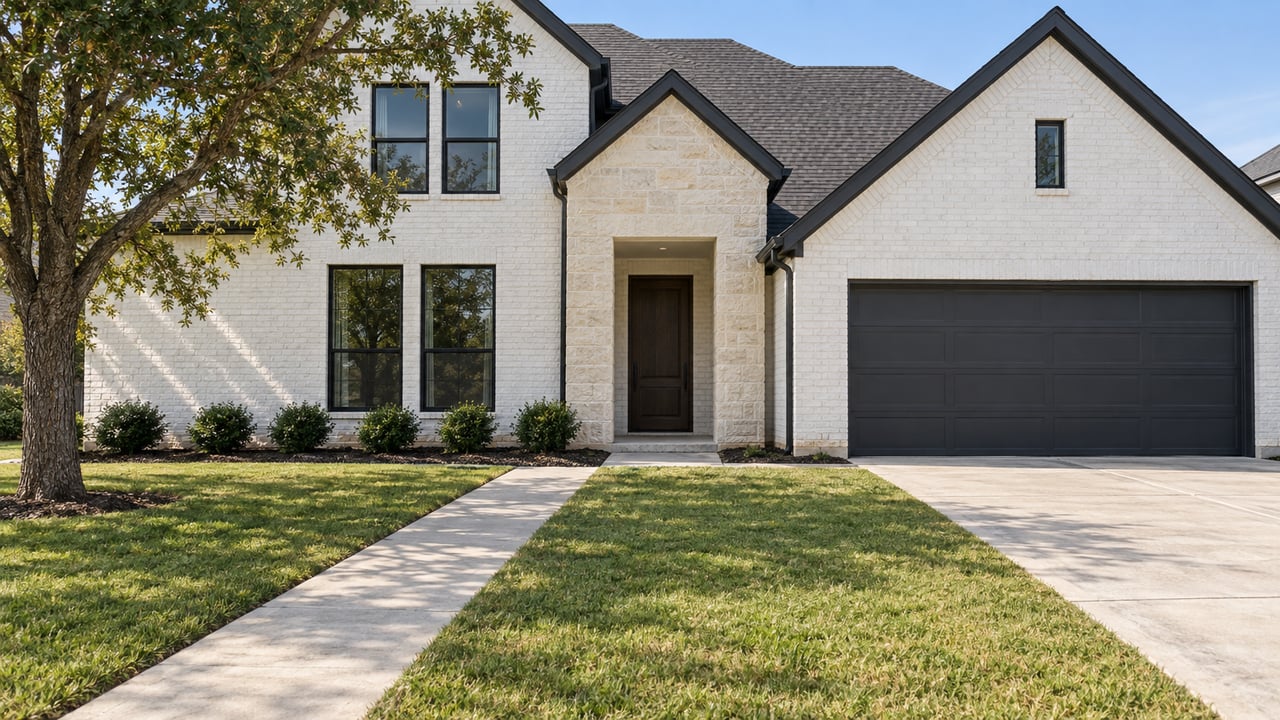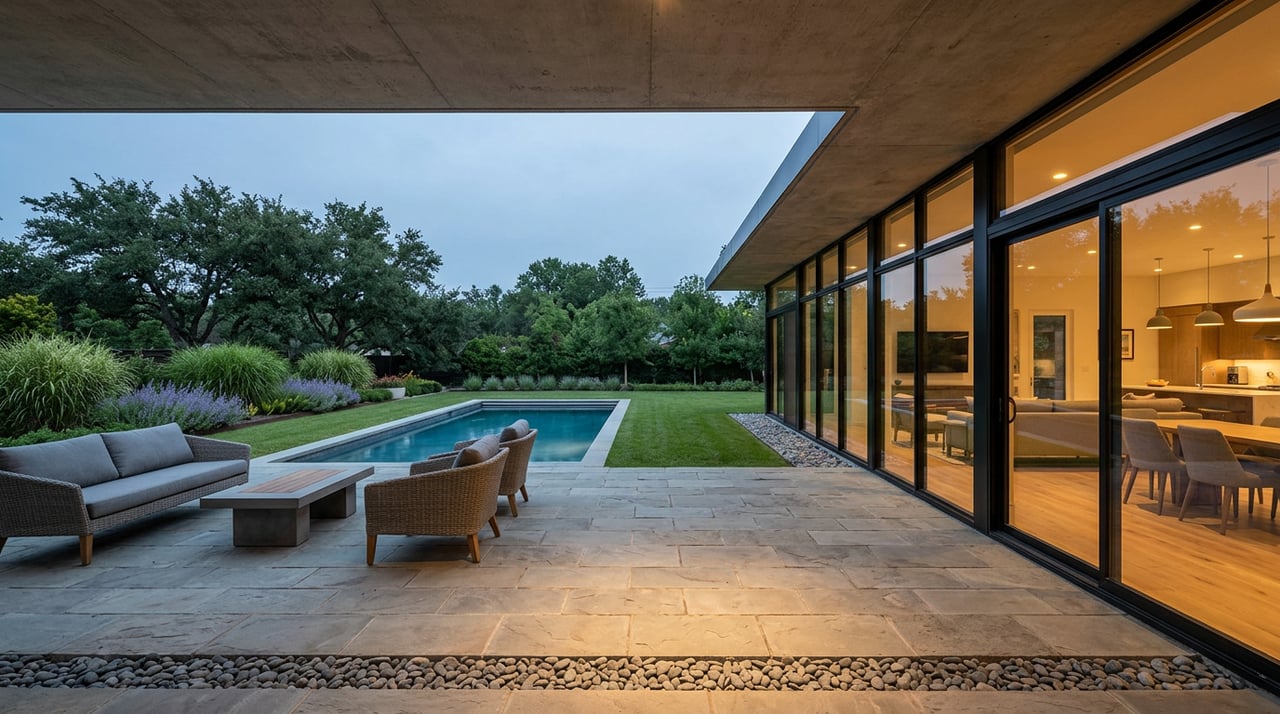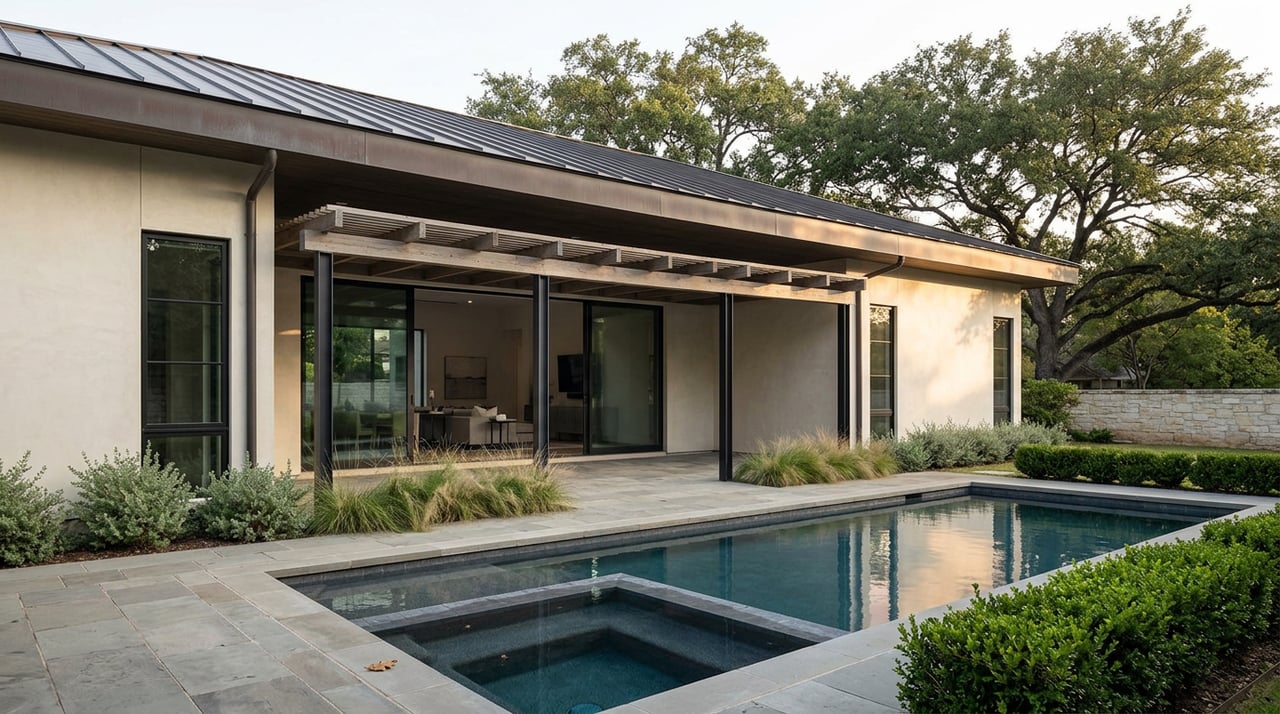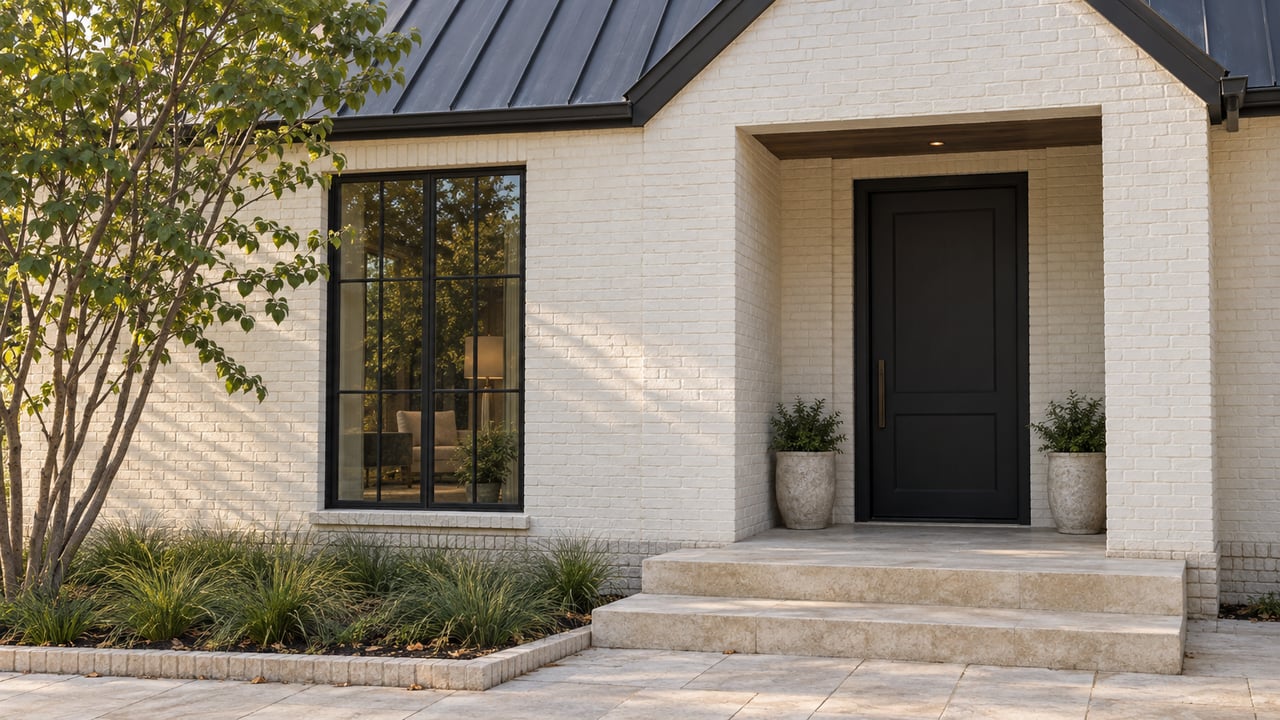
Highland Park has an architectural review board that signs off on how a rebuilt home is supposed to look. University Park has no such board. What it has instead is a formula, and it does not care what the new house looks like. It only counts what gets torn out.
The rule sits inside University Park's building permit process, administered by the city's Community Development Department out of the Peek Service Center on Worcola Street. Demolish more than half of a home's exterior walls, a quarter of its foundation, or a quarter of its roof, and the city no longer treats the job as a renovation. It becomes a full teardown, required to be rebuilt to current code from the ground up. A homeowner can start a project with a renovation permit and, once a contractor is inside the walls and finds more rot, more foundation movement, or more outdated framing than the plans accounted for, cross that threshold without ever having intended to.
That distinction matters more in University Park than almost anywhere else in North Texas, because so much of the housing stock was built to be renovated eventually. Homes across the city date from the 1920s through the 1970s, which means original plumbing, original wiring, and original foundations are common enough that a contractor opening a wall in a 1950s house is not looking for a surprise. He is looking for the surprise he already expects.
The Percentage Test Doesn't Ask What You Planned
The formula is objective and it is calculated by city staff, not by the scope of work a homeowner submitted at the start. A permit application can describe a kitchen expansion and a primary suite addition. If the contractor's actual demolition, once framing is opened and foundation issues are exposed, exceeds the exterior wall, foundation, or roof percentages, the project reclassifies mid-permit. At that point the homeowner is not finishing a renovation. They are starting a rebuild, subject to current zoning, current setback rules, and current construction codes, on a timeline and budget built for something smaller.
This is where the dollar figures matter. A cosmetic-to-moderate renovation of a 1950s or 1960s University Park home typically runs $100 to $250 per square foot. A full gut renovation runs $250 to $400 or more per square foot. New construction, not counting the land, runs $350 to $600 or more per square foot. Those bands overlap only at the edges. A buyer who purchases an older home expecting to land in the middle tier, and instead trips the demolition threshold, can find the project priced like new construction while the purchase price was set like a fixer-upper.
| Project type | Typical cost per square foot | What crosses into it |
|---|---|---|
| Cosmetic to moderate renovation | $100 to $250 | Kitchen, bath, and finish updates without major structural work |
| Full gut renovation | $250 to $400+ | Interior reconfiguration, some structural and system replacement |
| New construction (excluding land) | $350 to $600+ | Full rebuild once the demolition percentages are exceeded |
The Market Isn't Giving Buyers Time to Check First
The timing problem compounds the cost problem. University Park's resale market has been moving fast. In the months leading into mid-2026, homes were going under contract in roughly 23 days on average, down from about 41 days the year before. A tighter timeline means a shorter option period, and a shorter option period means less time for a contractor to open a wall, look at the foundation, or assess roof framing before a buyer has to decide whether to move forward.
That is the actual mechanism worth understanding before making an offer on an older University Park home with renovation plans. It is not that the demolition formula is unusual. Cities apply substantial-improvement and demolition-percentage tests in older housing stock all the time. It is that a fast-closing market gives buyers less runway to find out, before they own the house, whether their renovation plan is realistic or whether it is already, structurally, a rebuild.
Crossing the Line Doesn't Buy New-Construction Pricing
Here is the part that catches people even after they have accepted the cost. Paying new-construction dollars to rebuild a home in University Park does not mean the finished product gets priced like new construction when it is time to sell. New construction plays a small role in setting resale comparables in this market. Pricing is driven by luxury resale inventory, lot size, and location within specific enclaves, not by whether the structure itself is six months old or sixty years old.
That plays out differently across University Park's enclaves. In Volk Estates, at the top of the market, new construction commands its own tier entirely. A recently completed estate on Hunters Glen, designed through a collaboration between SHM Architects and interior designer Erin Sander, sold as part of that top segment. Another Volk Estates project, a limestone estate built by McIlyar Construction Co. with architect Richard Drummond Davis, became the most expensive listing in North Texas when it hit the market. Those are homes where a full rebuild is the plan from day one, priced and marketed as such.
Move outside Volk Estates into Caruth Hills, University Heights, Devonshire, or the smaller cottage streets near SMU, and the calculus tightens. These are the areas where a buyer is more likely to purchase an older home with a moderate renovation in mind, not a from-scratch estate. If that renovation trips the demolition threshold, the resulting new-construction cost has to be recovered against resale comps set mostly by surrounding original and lightly updated homes, not against a Volk Estates price point. The math that works for a ground-up estate on a double lot does not automatically work for a rebuilt bungalow competing against its neighbors' 1960s original construction.
What Sellers Should Know Before Listing
Texas law requires most residential sellers to complete a Seller's Disclosure Notice covering known material facts about a property's condition, including structural issues. A seller who has documented foundation work, a history of roof repairs, or known issues with old wiring is disclosing information that matters twice over in University Park. It matters for ordinary buyers assessing repair costs, and it matters specifically for buyers who are planning a renovation and need to know how close the home already sits to the demolition formula's thresholds. A seller who can produce that history, rather than leave a buyer to discover it once the walls are open, removes one of the biggest sources of post-closing dispute in this market.
FAQ
Does University Park have an architectural review board like Highland Park? No. University Park does not have a formal architectural review board. Building codes and setback requirements still apply, and demolition scope is governed by the percentage formula rather than aesthetic review.
What exactly triggers a full rebuild requirement? Demolishing more than 50 percent of a structure's exterior walls, 25 percent of its foundation, or 25 percent of its roof. Once any of those thresholds is exceeded, the city requires the entire structure to be demolished and rebuilt to current code.
Where do I get information on a specific permit or project? The Community Development Department handles permits at the Peek Service Center, 4420 Worcola, Dallas, TX 75206. Staff can be reached at 214-987-5411 for questions about whether a specific scope of work would fall under the standard renovation permit or trigger full rebuild requirements.
Does a rebuilt home automatically sell for new-construction prices? Not necessarily. Resale pricing in University Park is shaped more by lot, location, and comparable luxury resale sales than by the age of the structure itself. A full rebuild outside the highest-end enclaves competes against neighboring resale comps, not against a separate new-construction price tier.
If you are weighing an older University Park home against a renovation budget, or trying to price one to sell, the number that matters most might not be on the listing sheet. Make Your Move Group can help you get a contractor's eyes on the walls, foundation, and roof before your option period runs out, so the only surprises left are the ones you planned for. Move with purpose. Make your move today.