Craving more space, a friendlier price point, and a slower pace without losing access to Dallas–Fort Worth? If you are weighing a small‑town move, Greenville in Hunt County might be exactly what you want. In this guide, you will see what life looks like day to day, how far your housing dollars can go, and what the commute really feels like. Let’s dive in.
Greenville at a glance
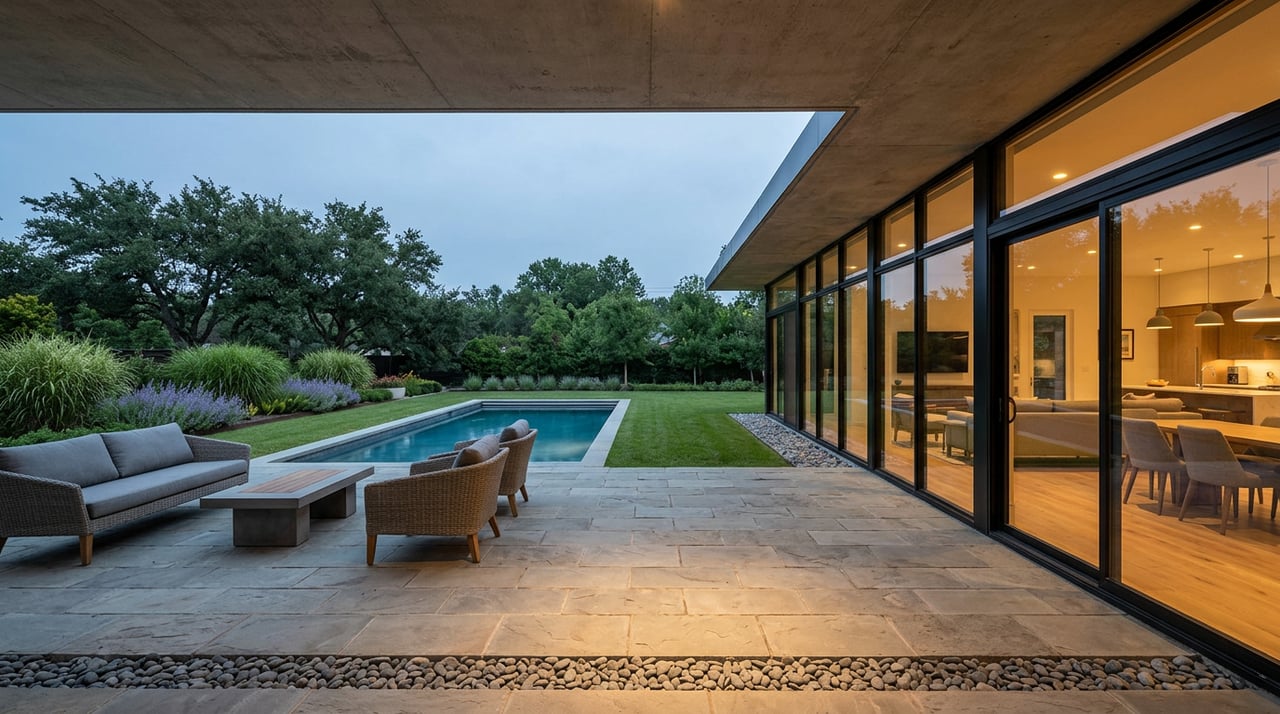
Greenville sits along I‑30 about 50 miles northeast of Dallas, which makes it a practical home base if you want room to breathe and easy highway access to the Metroplex. The city reported steady growth through the mid‑2020s, and the 2020 Census recorded a population of about 28,164, with estimates showing continued gains since then. You still get a small‑city feel with a historic downtown core and local festivals, along with the convenience of big‑city amenities within a drive. If you value more indoor and outdoor space at a lower typical price point than central DFW, Greenville fits that profile.
- Location context: The city describes Greenville as roughly 40 to 50 miles northeast of Dallas along the I‑30 corridor, which helps explain its popularity with relocators and commuters. You can confirm basic regional details through the city’s orientation page at the Move to Greenville hub.
- Growth snapshot: According to U.S. Census data, Greenville had 28,164 residents in 2020, and estimates show growth into the mid‑2020s. That growth supports a wider mix of housing and amenities over time.
Helpful links:
- Review Greenville’s regional position and city resources on the city’s Move to Greenville page: city orientation and services.
- See population figures and estimates on U.S. Census QuickFacts.
Home options and prices
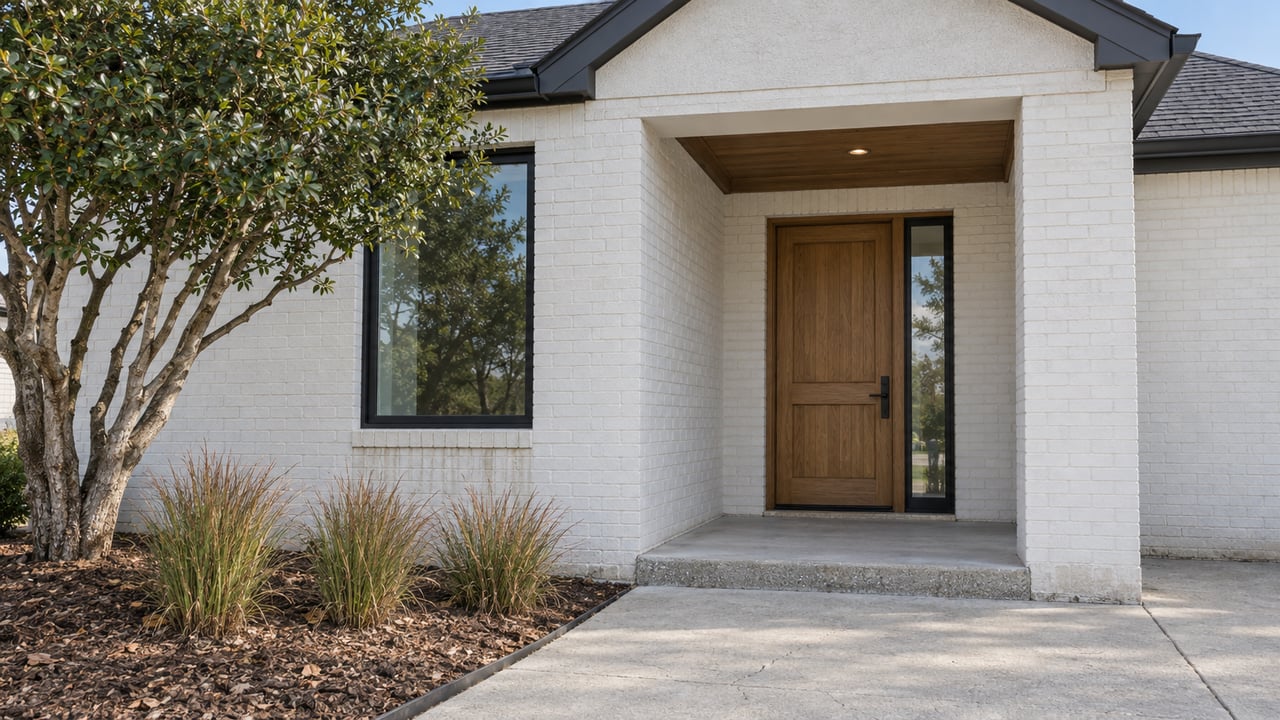
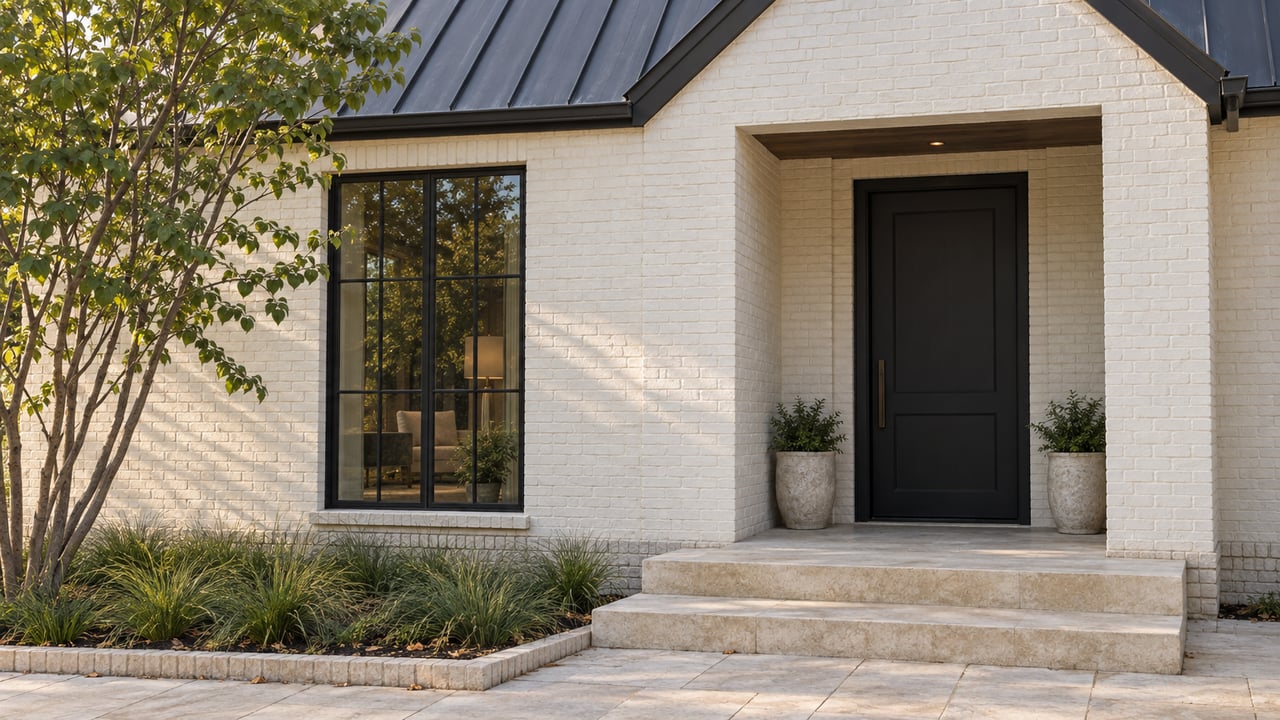
Greenville’s housing stock ranges from early‑20th‑century homes near downtown to newer subdivisions and small acreage outside the city limits. Whether you want character, convenience to I‑30, or a bit of land, you can usually find it here.
Typical values today
- Pricing snapshot: Redfin’s January 2026 data shows a median sale price around $252,500 for Greenville. Different sources use different methods, so you may also see typical values quoted in the mid‑$200Ks during late 2024 and 2025 based on index data.
- Budget takeaway: Many buyers can target the low‑to‑mid‑$200Ks for typical single‑family homes in town, with rural acreage and certain neighborhoods pricing higher or lower.
What you can buy
- Historic near‑downtown homes: You will find preserved early homes and bungalows within walking distance of shops and venues. The city’s Downtown Historical Walking Tour highlights the architecture and layout.
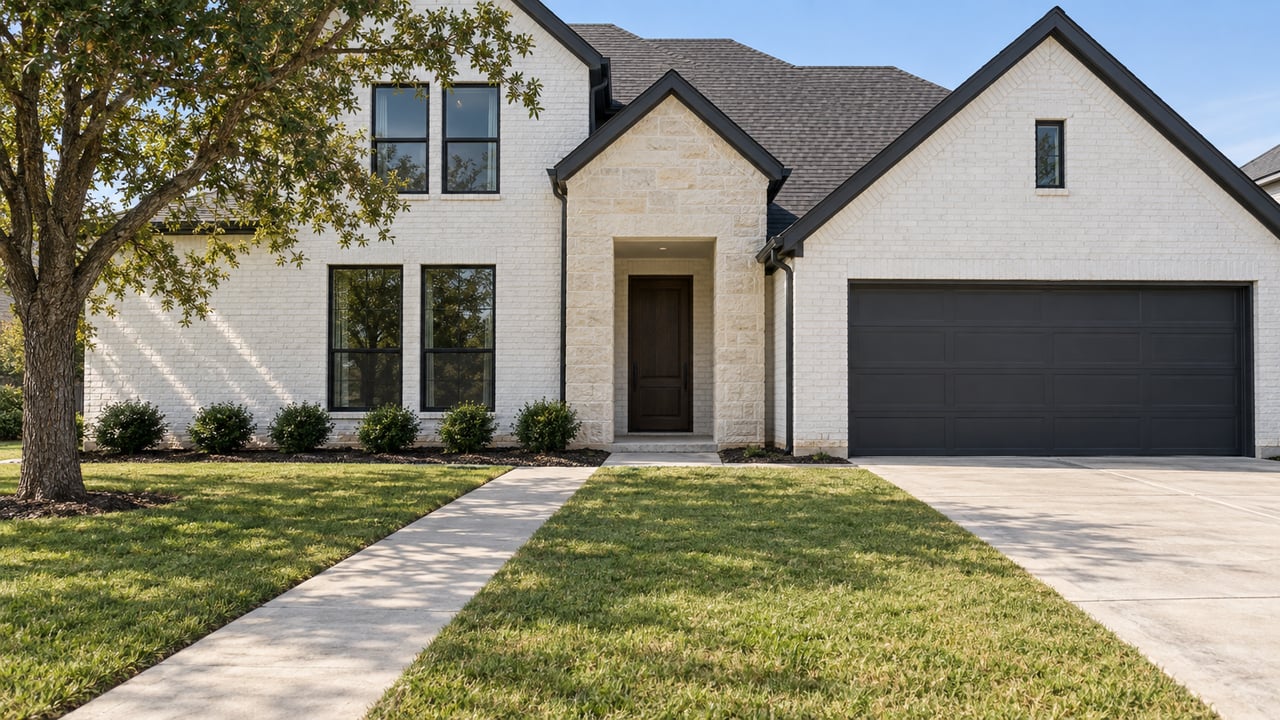
- Newer subdivisions: Over the last 10 to 20 years, Greenville added single‑family neighborhoods on the city’s edges. These often deliver modern floor plans and easier highway access.
- New construction and apartments: With active growth planning, the city reports platted lots and multifamily projects that continue adding supply.
- Rural acreage: In unincorporated Hunt County just outside city limits, you can look for larger lots, small ranches, or hobby‑farm parcels if you want extra land.
Market pace and negotiation
Greenville has generally moved at a calmer pace than many inner‑ring DFW suburbs. Some months show longer days on market and fewer multiple‑offer situations. If you want time to compare options and negotiate, that market character can work to your advantage.
Commute and connectivity
If you work in Dallas, Plano, or Irving, plan for a drive‑first lifestyle. I‑30 is your primary corridor, and U.S.‑69, U.S.‑67, and U.S.‑380 connect you to surrounding areas. There is no regular commuter rail from Greenville into DFW, so checking live traffic before you head out is key.
Typical drive times, depending on route and rush hour:
- Greenville to Plano: about 50 to 60 minutes under normal conditions. See a sample estimate on Travelmath’s Greenville–Plano drive time.
- Greenville to DFW Airport: roughly 70 to 80 minutes. Check a sample on Travelmath’s Greenville–DFW estimate.
Buyer tip: If a daily commute matters most, prioritize neighborhoods near I‑30 or U.S.‑69 to shorten your on‑ramp time. If you prefer acreage or historic character, you may trade a few extra minutes of driving for the lifestyle you want.
Downtown, culture, and weekend fun
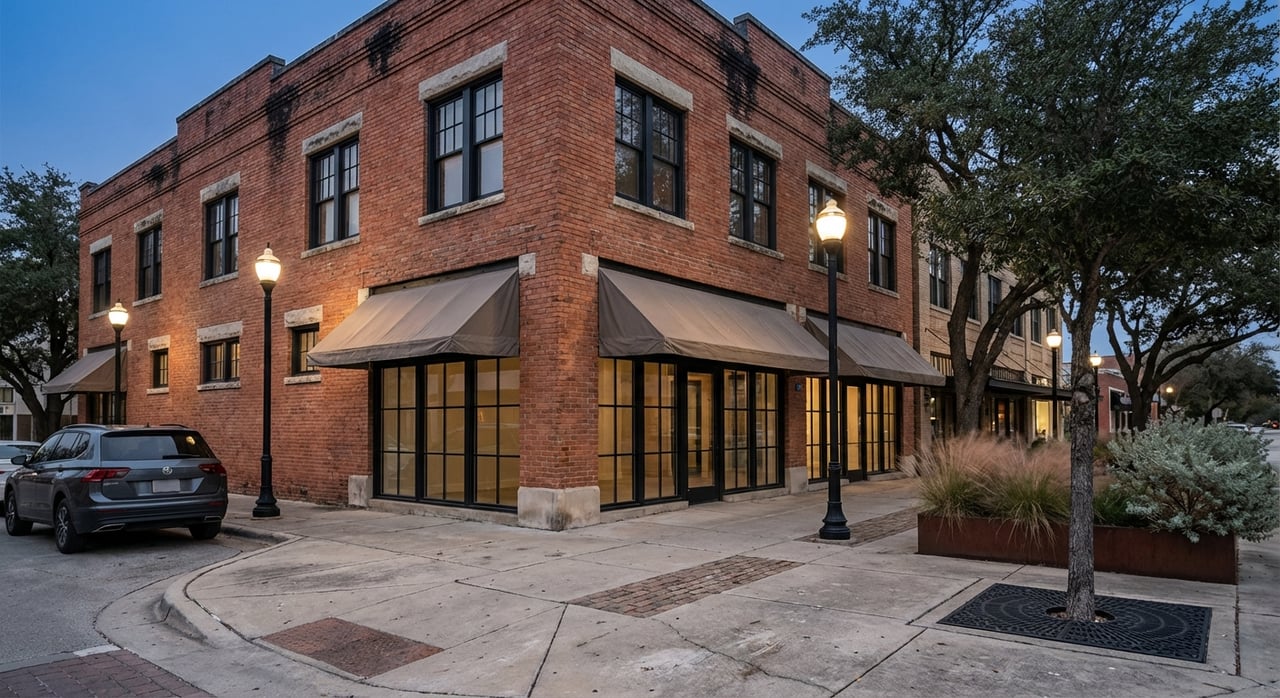
Greenville’s compact historic core, anchored by the Hunt County Courthouse area, sets the tone for a small‑city experience. You will find local shops, seasonal markets, and community events throughout the year.
- Local heritage: The Audie Murphy/American Cotton Museum anchors Greenville’s heritage story with exhibits, rotating events, and educational programs.
- Performing arts and venues: The Greenville Municipal Auditorium and the Texan Theater host concerts and community programming that bring people downtown at night.
- Outdoor escapes: Boating, fishing, hiking, and camping are a short drive away at Lake Tawakoni State Park. Cooper Lake (Jim Chapman Lake) is another regional option for weekend trips.
Everyday essentials
Having core services close by can make a big difference, especially for families, frequent travelers, or anyone managing healthcare needs.
- Healthcare: Hunt Regional Medical Center in Greenville provides full‑service inpatient and outpatient care and is a major local employer.
- Retail and dining: You will find highway‑corridor shopping along I‑30 for everyday needs, plus independent shops and eateries in and around downtown.
Costs and buyer checklist
Texas does not have a state income tax, which is a plus for many households. Keep in mind that property taxes are set locally and make up a significant share of homeownership costs. It is smart to budget for taxes, insurance, and utilities up front. For context on how Texas makes up for no income tax, review this Dallas Morning News explainer.
When you tour properties, bring these questions:
- What were last year’s property tax bills for comparable homes on this block?
- How long does my door‑to‑door commute take at 8:00 a.m. versus 6:30 a.m.?
- Are there planned I‑30 or interchange projects that could affect my route in the next 2 to 5 years?
- Which utilities and internet providers serve this address? Any service differences between city limits and unincorporated county parcels?
- Is the property on city water and sewer, or does it have a well and septic system?
Is Greenville a fit for you?
Greenville might be a great match if you want more house and yard for the money, like the idea of a historic downtown with local events, and plan to commute by car. The city’s growth is adding new construction and services while keeping a small‑city feel. If you rely on public transit or want a sub‑30‑minute drive to central job centers every day, a closer‑in suburb may suit you better.
If you want to explore listings, compare neighborhoods near I‑30, or design a door‑to‑door commute plan, our team is happy to help. Move with purpose and get a clear, personalized path to your next home with the Make Your Move Group. Hablamos español.
FAQs
How far is Greenville from Dallas and Plano?
- Greenville sits about 50 miles northeast of Dallas, and typical drive times to Plano run roughly 50 to 60 minutes depending on traffic; see a sample on Travelmath’s Greenville–Plano route.
What are typical home prices in Greenville, TX?
- According to Redfin’s January 2026 snapshot, the median sale price is about $252,500, with values varying by neighborhood and property type.
Does Greenville have commuter rail into Dallas?
- No regular commuter rail serves Greenville into DFW; most residents drive via I‑30 and connecting U.S. highways.
What outdoor recreation is close to Greenville?
- Lake Tawakoni State Park offers boating, fishing, hiking, and camping within a short drive of town; see details on the park’s official page.
What healthcare options are in Greenville?
- Hunt Regional Medical Center in Greenville provides full‑service inpatient and outpatient care for the area.
What is downtown Greenville like for daily life?
- The historic core features preserved buildings, local shops, seasonal markets, and cultural anchors like the Audie Murphy/American Cotton Museum, creating an active small‑city center.