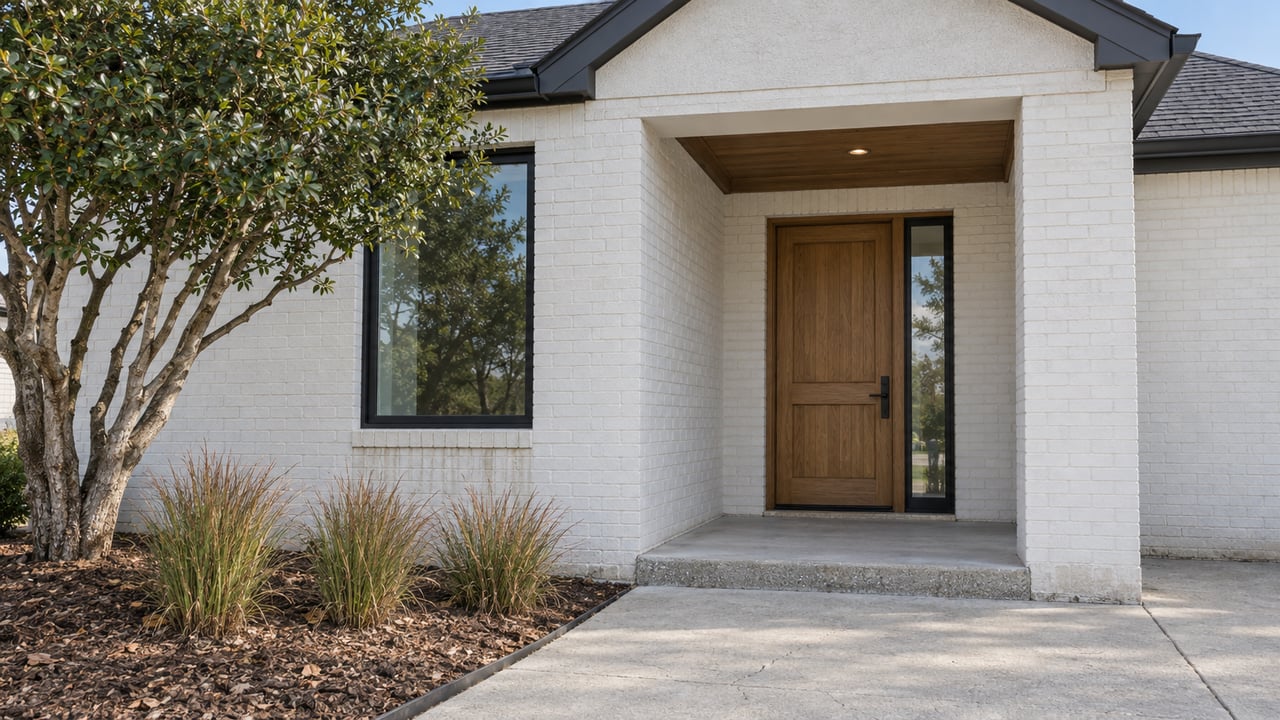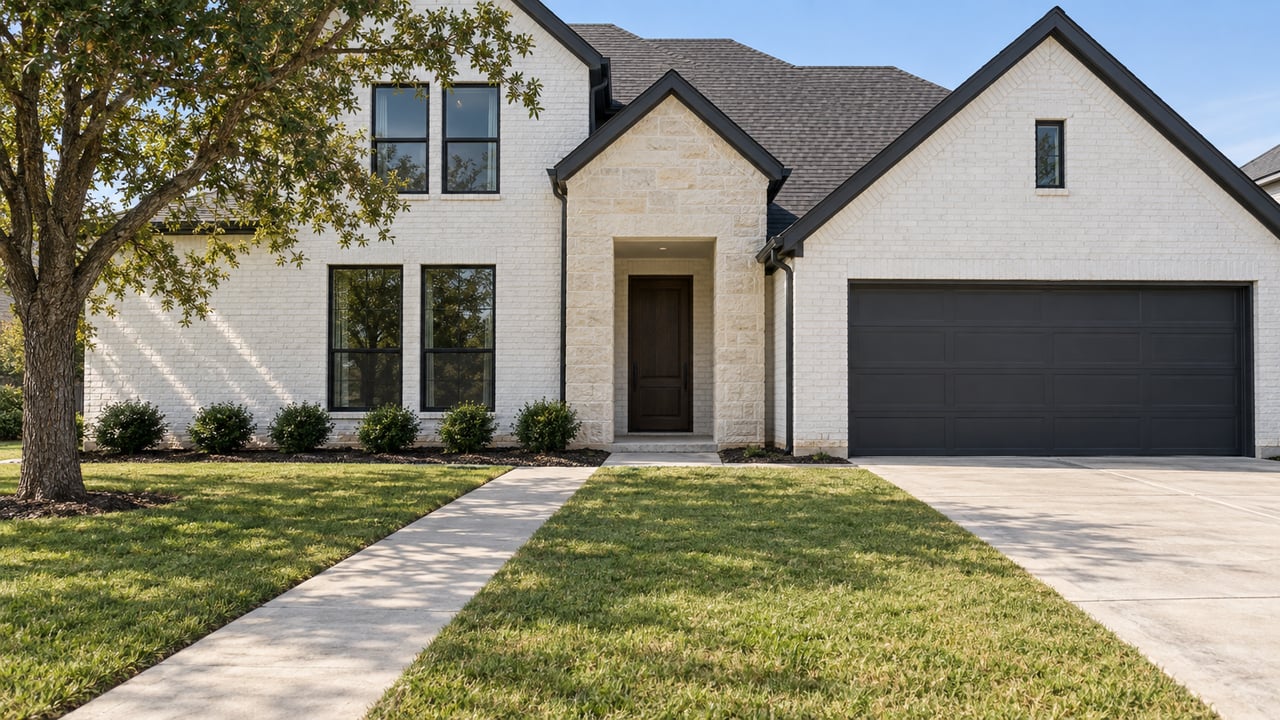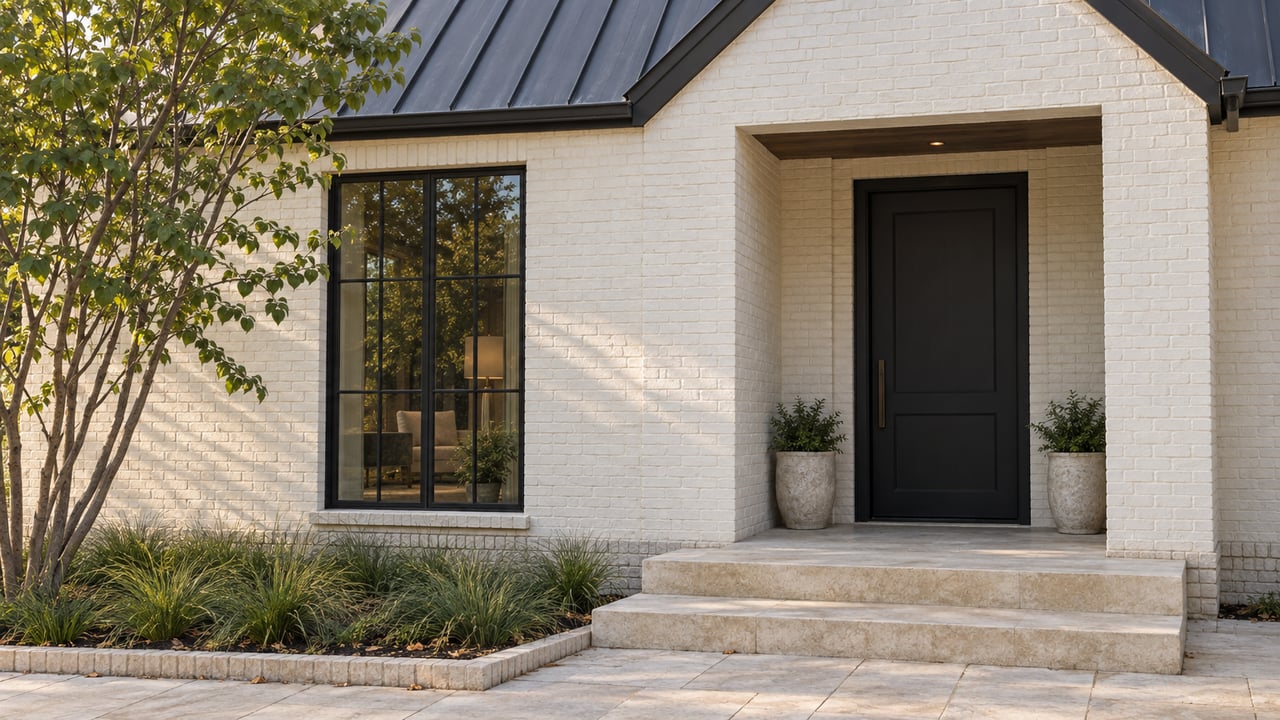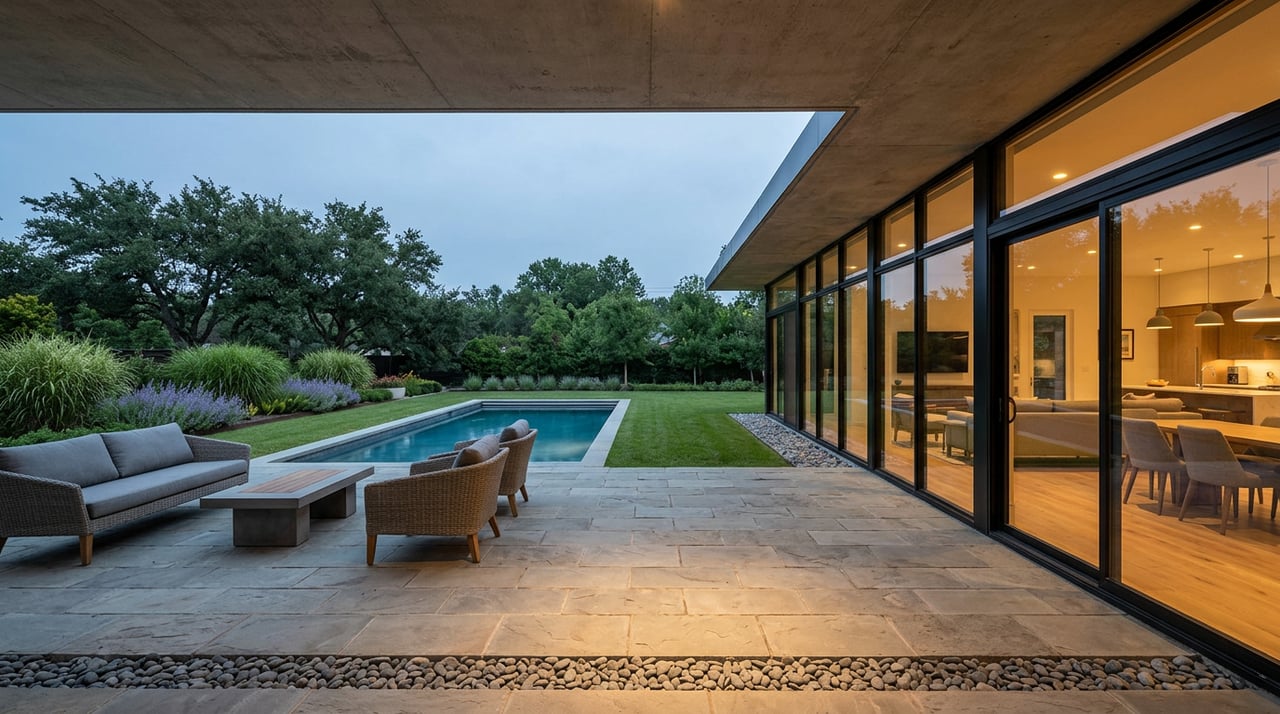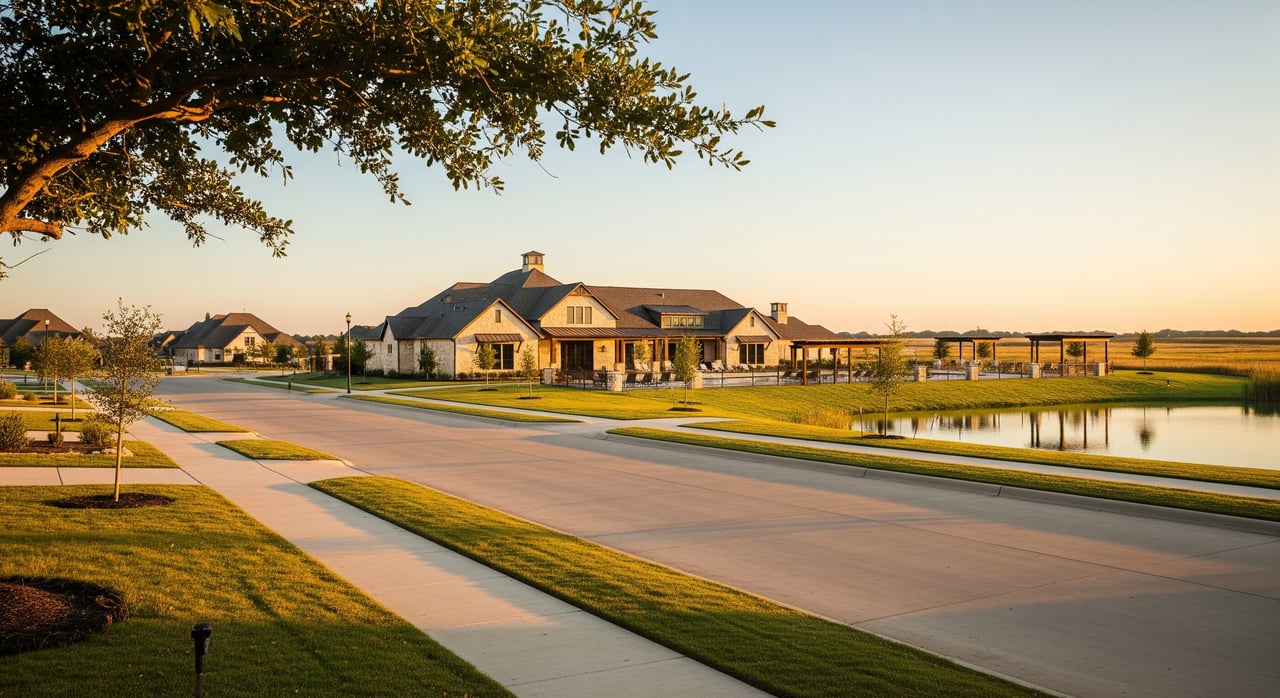
Dreaming of resort-style amenities, newer construction, and a true neighborhood feel, but unsure if a master-planned community is the right fit? You’re not alone. Many buyers look to Midlothian for more space, fresh builds, and a balanced lifestyle, then wonder about commute time, HOA rules, taxes, and timelines. In this guide, you’ll learn how master-planned living works in Midlothian, what it typically costs, how to evaluate schools and services, and the exact steps to compare communities with confidence. Let’s dive in.
What master-planned living means in Midlothian
Midlothian sits in Ellis County within the Dallas–Fort Worth metroplex and has grown quickly as buyers seek larger lots and newer homes outside central Dallas. You’ll see active national and regional builders, phased developments, and a steady flow of spec homes alongside build-to-order options. That means more choice, but also a need to verify details at the phase and lot level.
Most master-planned communities here center around lifestyle. You’ll find pools, parks, walking trails, and sometimes event programming. Higher-end communities may add sports courts, on-site retail, or larger trail systems. Because these amenities are shared, you’ll join an HOA that maintains common areas and enforces community design standards.
Lot sizes in Midlothian often skew larger than inner-suburban Dallas due to greater land availability. Options range from smaller 40–60 foot lots to traditional suburban lots and, in some areas, larger estate parcels. Always confirm lot width, depth, and any easements or slopes that affect how you can use the yard.
Commute, daily life, and access
If you commute to Dallas, expect roughly 30–40 miles depending on your neighborhood and route. During peak hours, many drivers report 40–70 minutes into downtown Dallas, with west-side commutes toward Fort Worth sometimes longer. Test your exact route from each community at your typical travel time to get realistic expectations.
Public transit is limited this far south of Dallas. Midlothian is outside DART rail service, so most residents rely on cars. Before you choose a community, map your drive to work, schools, grocery stops, medical providers, and weekend activities to ensure your daily rhythm works.
Phased road and infrastructure improvements are common as communities build out. Ask for the developer’s schedule for nearby road expansions or traffic signals that may affect future drive times.
Schools, taxes, and utilities: what to verify
School alignment is often a deciding factor. Many addresses in master-planned communities map to Midlothian ISD, but boundary lines and new-phase plats can create exceptions. Confirm the exact school assignment for a specific lot and review objective data like Texas Education Agency school report cards.
Property taxes vary by city, county, school district, and any special districts. Check current appraised values, exemptions, and taxing entities through the Ellis County Appraisal District. If a community uses a special district for utilities or infrastructure, note any assessments that affect your monthly budget.
For insurance considerations and regional guidance, consult the Texas Department of Insurance. If a home is near creeks or low-lying areas, verify flood status using the FEMA Flood Map Service and discuss coverage with your insurance provider.
Utility timing matters in new phases. Confirm who provides water, sewer, trash, and broadband, and whether all connections will be active before closing. Ask about any temporary service arrangements while the phase builds out.
Amenities and HOA costs: what to expect
Popular amenities in DFW-area master-planned communities include clubhouses or rec centers, pools, playgrounds, trails, dog parks, and small lakes or ponds. These features contribute to lifestyle and resale appeal, but they also drive HOA dues and community rules.
HOA dues in the region vary widely based on service level. Many amenity-rich communities fall somewhere between modest monthly fees for basic maintenance and higher dues for full-service amenities or private security. Some HOAs bill annually instead of monthly. Ask about one-time capital contributions or transfer fees at closing, as well as any history of special assessments.
Master-planned communities often include architectural guidelines that cover exterior materials, color schemes, fencing, and landscaping. Request the governing documents and review enforcement processes before you buy. For owner protections and association procedures in Texas, use the Texas Property Code, Chapter 209 as a reference.
Homes, lots, and build timelines
You’ll typically see two paths: a spec home that is move-in ready or near completion, or a build-to-order home you’ll personalize with the builder. Spec homes can close quickly, sometimes within weeks, while build-to-order timelines for production builders often run 4–9 months after contract. Custom homes on larger lots can take 9–18 months.
Because communities open in phases, an early buyer might move in before all amenities or nearby roads are finished. Ask for the community master schedule and written timelines for amenities, landscaping, and drainage. This will help you plan around noise, traffic, and temporary construction impacts.
Most production builders offer a limited warranty structure that commonly includes coverage for workmanship, systems, and structural components on a defined schedule. Request the warranty booklet in writing and confirm how warranty requests are handled after closing.
Resale and long-term value
Well-maintained amenities and strong curb appeal can support resale value. Homes that back to parks, greenbelts, or lakes often carry a premium, while those near main roads or community entrances may price lower. Your lot choice can materially affect both enjoyment and future value.
Exurban markets can be more sensitive to mortgage rate changes and commute costs. If you expect a shorter hold period, favor flexible floor plans and neutral design choices that appeal to a broad buyer pool. If your horizon is longer, prioritize the lot and orientation you’ll love day to day.
Is an MPC right for you? Quick fit test
Score each community from 1 to 5 in these categories, then apply the weight in parentheses to compare options side by side:
- Commute impact (25%): actual drive times at your hours, access to main corridors.
- School alignment (20%): confirmed attendance zones and TEA report cards.
- Lot and home type match (20%): yard size, orientation, privacy, and plan.
- Amenities value (15%): what you’ll use weekly vs what simply looks nice.
- HOA costs and rules tolerance (10%): dues, design standards, rental rules.
- Timeline and availability (10%): spec inventory vs build timeline and move-in needs.
A higher total suggests better overall fit. Use it to prioritize tour stops and focus your conversations with the builder and HOA.
On-site tour and document checklist
Bring this list to each tour and keep notes for side-by-side comparison:
Lot and survey
- Confirm lot dimensions, orientation, slope, drainage, and easements.
- Ask about fence materials, outbuilding rules, and any height restrictions.
HOA governance and costs
- Request CC&Rs, bylaws, rules, recent financials, budget, and board minutes.
- Ask about reserve levels, dues increases, special assessments, and enforcement history.
Amenities and timing
- Verify what is open now versus planned. Ask for targeted completion dates.
- Learn who operates amenities, hours, reservation policies, and guest rules.
Schools and services
- Confirm the exact attendance zone for the lot and review TEA report cards.
- Check utility providers, trash pickup, any special district fees, and broadband options.
Build and contract specifics
- Clarify build timeline, allowable contingencies, and final walkthrough process.
- Get warranty coverage details and how warranty claims are handled post-closing.
Market and resale
- Review recent comparable sales and price-per-square-foot trends.
- Ask about absorption and inventory to gauge competition and leverage.
Where to confirm details online
Use these trusted resources to verify what you learn on site:
- City approvals and plats: Check the City of Midlothian for planning updates and approved plats.
- Property taxes and exemptions: Look up data at the Ellis County Appraisal District.
- School performance: Review Texas Education Agency school report cards.
- Flood status: Search an address on the FEMA Flood Map Service.
- Insurance guidance: Get consumer information through the Texas Department of Insurance.
- HOA rights and procedures: Reference Texas Property Code, Chapter 209.
How we help you buy with confidence
Master-planned communities in Midlothian offer lifestyle, space, and fresh construction, but every phase and lot is different. You deserve a clear plan that fits your commute, budget, and timeline. Our team guides you through side-by-side community comparisons, lot strategy, builder negotiations, and HOA due diligence, then supports you after closing with helpful local connections.
If you’re exploring Midlothian or relocating to DFW, we’re here to help. Hablamos español. Connect with the Make Your Move Group to tour top communities, confirm the fine print, and move with confidence.
FAQs
What is a master-planned community in Midlothian?
- It is a large, phased neighborhood designed with coordinated amenities, HOA oversight, and multiple builders or product types, often offering pools, parks, and trail networks.
How much are HOA dues in Midlothian master-planned communities?
- Dues vary by amenity level and services, ranging from modest amounts for basic maintenance to higher fees for full-service amenities or private security; ask for current budgets and any transfer or capital contributions at closing.
Are Midlothian master-planned communities within MISD boundaries?
- Many are, but boundaries can shift and new phases may align differently, so verify the specific address with the district and review objective data on the TEA report cards.
How long does new construction take in Midlothian MPCs?
- Spec homes may be move-in ready or close within weeks, while build-to-order homes commonly run 4–9 months for production builders and 9–18 months for custom builds on larger lots.
Do I need flood insurance for a Midlothian home?
- Check the property on the FEMA Flood Map Service and discuss with your insurer; requirements depend on mapped flood zones and lender policies, and coverage can be prudent even outside high-risk areas.