Hot North Texas summers can send your electric bill soaring, and buyers in Greenville feel it too. If you plan to sell, choosing the right energy-saving upgrades can help your home stand out, reduce inspection friction, and signal comfort and quality. In this guide, you’ll learn which improvements DFW buyers notice, what they typically cost, and how to present them for maximum impact. Let’s dive in.
Why energy upgrades sell in Greenville
Greenville sits in a humid subtropical climate where long, hot summers drive cooling costs. That is why upgrades that cut heat gain and improve cooling efficiency get attention. According to NOAA climate normals, cooling demand dominates much of North Texas, which means insulation, shading, efficient HVAC, and low‑e windows usually deliver the biggest comfort and bill benefits.
Texas electricity is also deregulated in most of the DFW area, so plans and rates vary. Your savings and payback depend on your current plan, usage, and equipment. For a quick reality check on rates and trends, use the EIA Texas state energy profile, then confirm with your 12 months of household bills.
High-impact upgrades buyers notice
HVAC: newer, efficient systems
A newer, properly sized system with clean ductwork is one of the strongest buyer signals. If your current AC is 10 to 15 years old or more, a replacement can improve comfort, reduce inspection concerns, and lower cooling costs. Modern high-SEER central AC or a quality heat pump often cuts energy use compared with older units.
- Typical costs: about $3,500–$10,000+ for central AC; $6,000–$15,000+ for heat pumps depending on size, efficiency, and ductwork needs.
- Marketability: list the installation date, model numbers, efficiency rating, warranty details, and maintenance records. If you keep the current system, consider a professional tune-up and duct sealing.
Attic insulation and air sealing
In our climate, attic insulation and air sealing can be a high-value, lower-cost win. Sealing leaks reduces hot air infiltration, and adding insulation limits heat transfer from the roof. The result is a cooler, more even home in summer and better comfort year-round.
- Typical costs: attic upgrades often run $1,000–$4,000 for blown-in insulation and sealing. Duct sealing can add $300–$1,000+.
- Savings potential: The U.S. Department of Energy notes that air sealing and insulation are among the most cost-effective ways to cut heating and cooling use. Learn more from DOE’s Energy Saver.
- Marketability: share a pre-listing energy audit or blower-door test if available, plus invoices and any permits.
Windows: low‑e replacements or upgrades
Buyers notice windows the moment they walk in. Newer low‑e, double-pane units reduce solar heat gain and outdoor noise, which matters during Greenville’s summer. The energy savings can vary, but the comfort and visual cue of a well-kept home often help a listing shine.
- Typical costs: roughly $300–$1,200+ per window; $8,000–$25,000+ for a whole-house project depending on home size and installation.
- What to know: Upgrading from single-pane to ENERGY STAR-rated double-pane windows can reduce energy loss, though payback depends on your starting point and exposure. See guidance from ENERGY STAR.
- Marketability: include the brand, rating, and installation date in your listing remarks and provide receipts.
Smart thermostats and controls
Smart thermostats are a simple, visible upgrade that buyers expect in a modern home. They make scheduling easy and help trim energy use when you are away.
- Typical costs: about $100–$300 for the device; professional installation may be needed.
- Savings potential: Studies cited by ENERGY STAR show programmable or smart thermostats can reduce heating and cooling use by a single-digit to low‑teens percentage, depending on use and equipment.
- Marketability: take a close-up photo for the listing and leave a simple “how-to” card for buyers.
Solar and solar-ready features
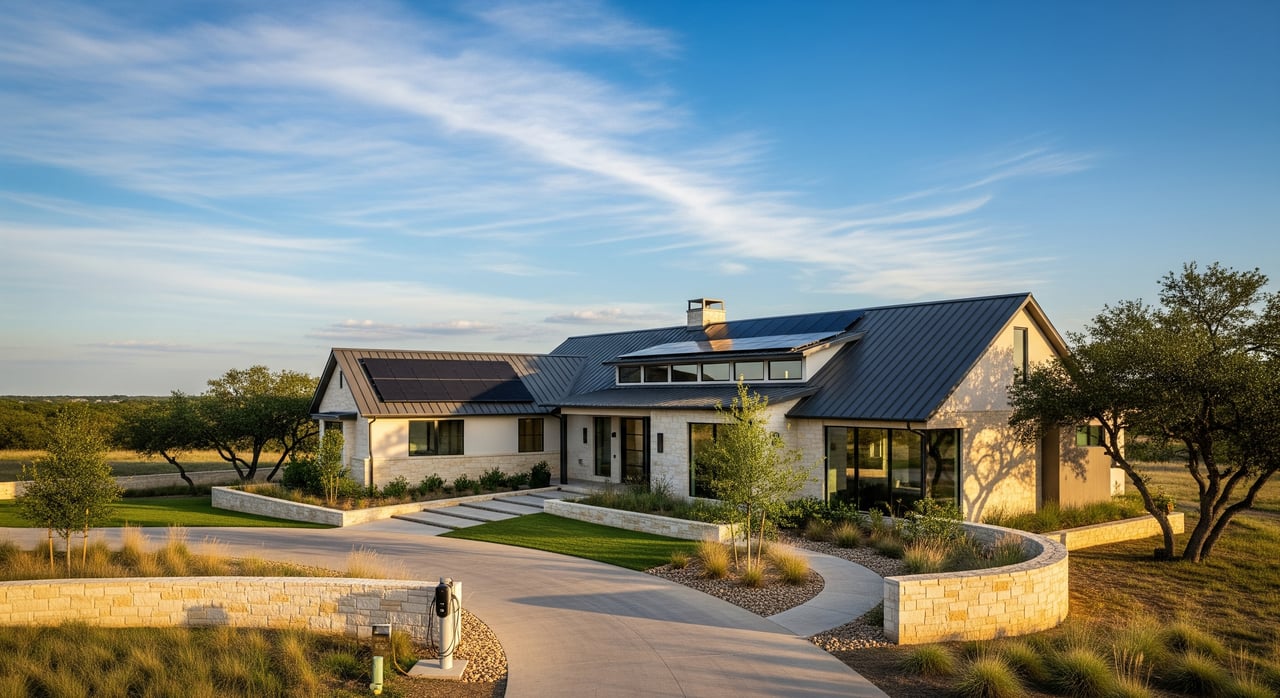
A well-installed solar array can generate strong buyer interest in DFW. Even without panels, a “solar-ready” home with a newer roof, clear south-facing exposure, and space in the electrical panel lowers friction for the next owner.
- Typical costs: national averages often range $2,000–$3,500 per kW installed before incentives. A typical 5–10 kW system can run about $10,000–$35,000 before incentives. Explore market basics with SEIA.
- What to document: production data for at least 12 months, warranties, inverter details, and any lease or PPA agreements.
- Incentives: programs change, so check the Database of State Incentives for Renewables & Efficiency at DSIRE and your retail electricity provider for current rebates and interconnection policies.
Estimate simple ROI with your bills
You do not need a finance degree to ballpark payback. Use your own bills and a simple formula to decide what makes sense before listing.
- Payback years ≈ Upgrade cost ÷ Estimated annual energy savings in dollars.
- Start with your last 12 months of electric bills for kWh and dollar totals, then apply a realistic savings percentage from sources like ENERGY STAR or Energy Saver. Confirm your electricity rate using your bills or the EIA Texas profile, since rates influence savings.
Illustrative examples:
- Attic insulation and air sealing: $2,000 cost; $250 estimated annual savings → about 8-year payback.
- Smart thermostat: $200 cost; $50–$150 annual savings → about 1–4-year payback.
- HVAC replacement: $8,000 cost; $400–$800 annual savings → about 10–20-year payback, plus comfort and fewer inspection issues.
- Rooftop solar: $20,000 cost; $1,500 annual bill reduction → about 13-year payback before incentives.
Remember, a faster sale, fewer concessions, and buyer confidence are benefits the payback math does not capture. For resale value perspective on larger projects, the Remodeling Magazine Cost vs. Value report is a helpful reference.
Incentives, permits, and paperwork
- Incentives and rebates: Look up federal, state, utility, and manufacturer offers using DSIRE. Then verify details with your utility or retail electricity provider.
- Permits and inspections: Many projects, including HVAC replacements, solar installations, major electrical work, and structural window changes, require permits. Contact the City of Greenville Building/Planning Department or Hunt County permitting offices for requirements. Close permits and pass final inspections before you list.
- Documentation buyers want: 12 months of utility bills, energy audit or blower-door reports, product spec sheets, contractor invoices, permits, warranties, and if available, a Home Energy Score. Learn what the score covers at DOE’s Home Energy Score.
Greenville seller energy checklist
Use this short, practical sequence to focus your time and budget.
- Review your last 12 months of electric bills and schedule an energy audit or, at minimum, a qualified HVAC inspection.
- Tackle low-cost, high-impact items first:
- Air seal and add attic insulation if below recommended levels.
- Inspect and seal ductwork to reduce losses.
- Install a smart thermostat and optimize schedules.
- Address comfort or inspection red flags:
- Service the HVAC or replace if near end-of-life.
- Fix attic ventilation or moisture issues that undermine performance.
- Consider visible, buyer-valued upgrades if your home needs them:
- Replace severely outdated windows with low‑e options.
- Prepare the home to be solar-ready if the roof is newer and well-oriented.
- Organize your documentation packet:
- Receipts, permits, manuals, warranties, utility bills, and any audit or score.
- Check incentives and permitting before you contract work:
- Confirm rebates through DSIRE and your utility.
- Verify permit requirements with local offices.
Position your upgrades in the listing
- Lead with comfort and convenience: “New high‑efficiency HVAC with transferable warranty” or “Fresh attic insulation for cooler summers and quieter rooms.”
- Show the proof: Include photos of the smart thermostat, condenser nameplate, new windows, and insulation where accessible.
- Share numbers that matter: Offer a simple utility summary and a one-page overview of upgrades with dates, models, and warranties.
- Make it easy for buyers: Provide manuals, app access instructions for thermostats, and any setup notes in a welcome folder.
Ready to make a smarter pre-list plan for your Greenville home? Our team can help you weigh costs, comfort, and market impact so you invest where buyers will notice most. Connect with the Make Your Move Group for a tailored strategy. Hablamos español.
FAQs
What energy-saving upgrades deliver the best value in Greenville?
- Start with air sealing and attic insulation, duct sealing, and a smart thermostat. These typically cost less and address North Texas cooling loads, which buyers appreciate.
Do buyers in the Dallas–Plano–Irving area care about solar?
- Many do, especially when production data and warranties are documented. A solar-ready roof and panel capacity also reduce friction for future installation.
How do I estimate savings from a new HVAC system?
- Use 12 months of bills, apply a realistic savings percentage from sources like Energy Saver or ENERGY STAR, and divide cost by annual savings for a rough payback.
Do I need permits for HVAC or window projects in Greenville, TX?
- Often yes, especially for HVAC replacements, major electrical work, solar, or structural window changes. Confirm requirements with the City of Greenville or Hunt County.
Where can I find rebates or tax credit information for Texas homes?
- Check the Database of State Incentives for Renewables & Efficiency at DSIRE and confirm current offers with your utility or retail electricity provider.
Should I replace windows before selling my Greenville home?
- Replace if existing windows are in poor condition, drafty, or single-pane. If your windows are serviceable, consider sealing, tune-ups, and focus on HVAC and insulation first.